

Practical Stress Management Strategies for Better Mental Health

Stress is something we all face, especially when life feels overwhelming or when the weight of complex challenges presses down on us. For those navigating the aftermath of trauma or managing high-pressure roles, finding effective ways to reduce stress is not just helpful - it’s essential. Over time, I’ve discovered that practical, accessible methods can make a real difference in how we feel and function daily. Let’s explore some gentle, supportive strategies that can help you regain calm and improve your mental health.
Understanding Stress Management Strategies
Before diving into specific techniques, it’s important to understand what stress management strategies really mean. These are intentional actions or habits we adopt to control our stress levels and prevent them from negatively impacting our well-being. They can be simple or complex, but the best ones are those that fit naturally into your lifestyle and feel manageable.
Stress often triggers physical and emotional responses like tension, irritability, or fatigue. When left unchecked, it can lead to more serious health issues. That’s why having a toolkit of strategies is so valuable. Whether it’s through mindfulness, physical activity, or setting boundaries, these approaches help us respond to stress with resilience rather than overwhelm.
What are 5 stress management techniques?
Here are five practical stress management techniques that I find particularly effective. Each one offers a different way to ease tension and nurture your mental health:
Mindful Breathing
Taking slow, deep breaths can calm your nervous system almost immediately. Try inhaling for a count of four, holding for four, and exhaling for six. This simple practice can be done anywhere, anytime you feel stress creeping in.
Physical Movement
Exercise releases endorphins, which are natural mood boosters. Even a short walk outside or gentle stretching can help clear your mind and reduce anxiety.
Journaling
Writing down your thoughts and feelings can provide clarity and emotional release. It’s a private space to explore what’s on your mind without judgment.
Setting Boundaries
Learning to say no or limit your commitments protects your energy. It’s okay to prioritize your well-being over pleasing others.
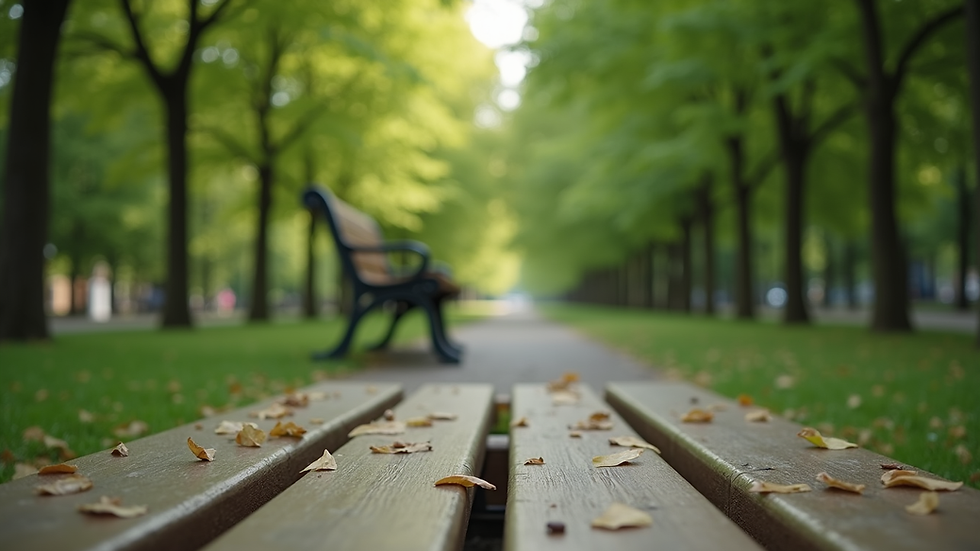
Connecting with Nature
Spending time outdoors, whether in a park or your backyard, can ground you and reduce stress hormones. Nature’s rhythms remind us to slow down and breathe.
Incorporating Stress Reduction Techniques into Daily Life
Integrating stress reduction techniques into your routine doesn’t have to be complicated. Start small and build habits that feel natural. For example, you might begin your day with mindful breathing or end it with journaling. Notice how these moments of calm influence your mood and energy.
It’s also helpful to create a dedicated space for relaxation. This could be a cozy corner with soft lighting, a favorite chair, or even a spot outdoors. Having a physical reminder to pause and care for yourself encourages consistency.
Remember, the goal isn’t to eliminate stress completely - that’s unrealistic. Instead, it’s about managing stress so it doesn’t control you. When you practice these techniques regularly, you build resilience and improve your overall mental health.
The Role of Support and Professional Care
Sometimes, stress feels too heavy to manage alone. That’s when seeking support can be a powerful step. Talking with a trusted friend, joining a support group, or consulting a mental health professional can provide guidance tailored to your unique needs.
For those dealing with complex trauma or high-profile pressures, specialized care is especially important. Professionals trained in trauma-informed approaches can help you move beyond coping strategies to true healing. This kind of care respects your privacy and understands the nuances of your experience.
If you’re interested in exploring more about stress reduction techniques, there are many resources available that offer practical advice and compassionate support.

Embracing a Lifestyle That Supports Mental Wellness
Beyond individual techniques, cultivating a lifestyle that supports mental wellness is key. This includes:
Balanced Nutrition: Eating nourishing foods helps your body and brain function optimally.
Adequate Sleep: Prioritize rest to allow your mind and body to recover.
Social Connection: Meaningful relationships provide emotional support and reduce feelings of isolation.
Mindful Technology Use: Limit screen time and create boundaries around work and personal life.
By weaving these elements into your daily life, you create a foundation that makes managing stress easier and more effective.
Moving Forward with Compassion and Confidence
Taking steps to manage stress is an act of self-kindness. It’s okay to have days when things feel harder and to seek help when needed. What matters most is your commitment to yourself and your mental health.
As you explore these strategies, remember that healing is a journey. Each small change adds up, helping you feel more grounded, balanced, and capable of facing life’s challenges. You deserve to live with peace and resilience, and practical stress management strategies can guide you there.
If you’re ready to take the next step, consider reaching out to professionals who specialize in trauma and high-stress environments. With the right support, you can move beyond surviving to truly thriving.
Thank you for spending this time with me. I hope these insights inspire you to find calm and strength in your daily life. Remember, you are not alone on this path.


Comments